 0

CategoríaCactus

GéneroEchinocereus
FamiliaCactaceae

Origen naturalMexikó középső részén őshonos faj. Természetes elterjedésének fő területe Hidalgo és Puebla állam; egyes szakirodalmi és kertészeti források Querétarót is megemlítik.
Adquirida dehttps://cactusagroideas.com
En la colección desde17 jul 2026
UbicaciónBalkon

Hábitat naturalNyílt, száraz füves területeken és száraz cserjésekben él, általában 1800–2350 méteres tengerszint feletti magasságban. Gyakran agyagos-homokos talajon fordul elő. Megvastagodott karógyökere lehetővé teszi a víz és a tápanyagok raktározását; tartós szárazság idején a szár összezsugorodhat, részben a talajfelszín alá húzódhat.
Sobre la especie
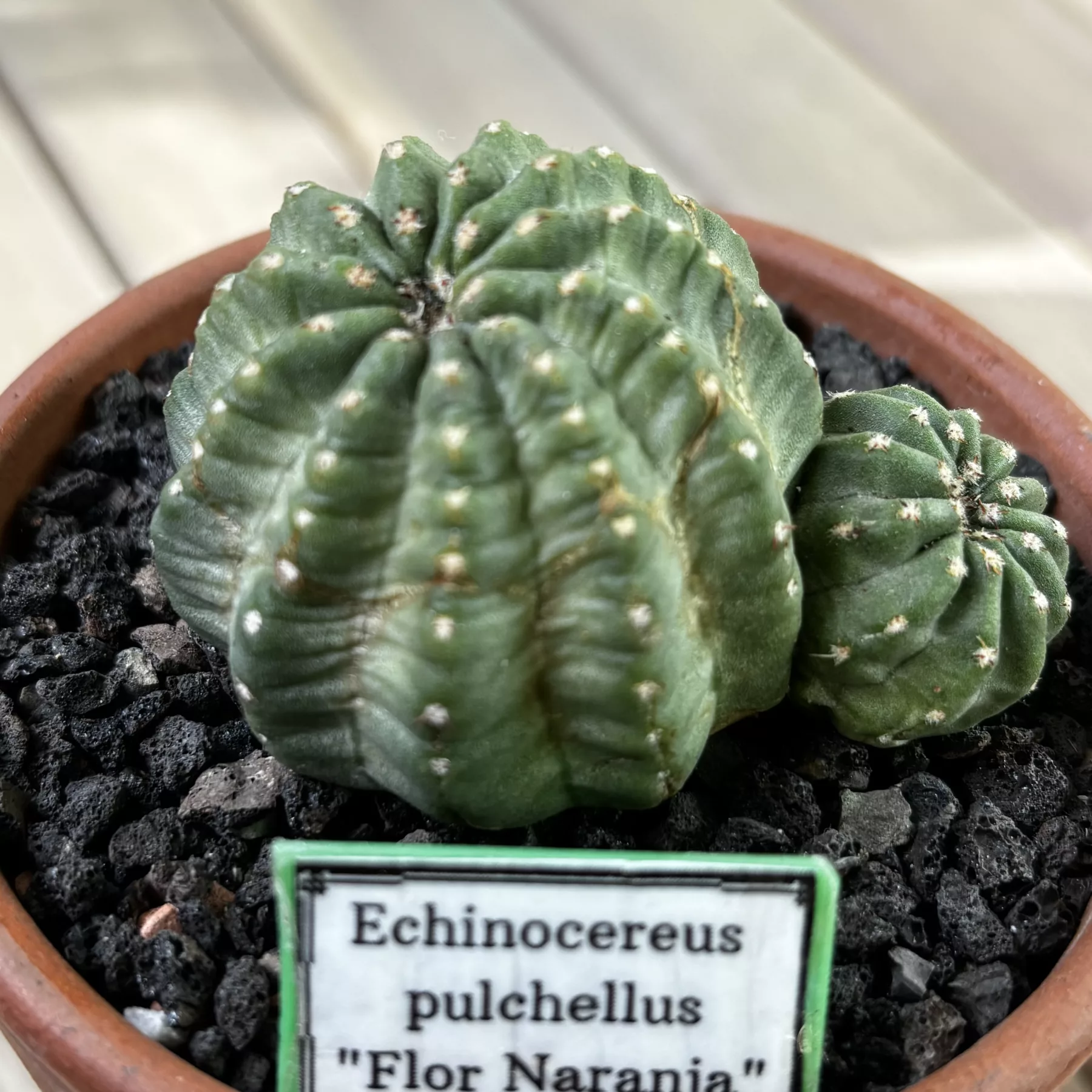
Echinocereus pulchellus “Flor Naranja”
Cultivar – its own data takes priority; missing botanical fields are supplemented from the parent species (Echinocereus pulchellus).
- Distribución nativa
- México Central, México Nordeste
Resumen de cuidados
Echinocereus pulchellus “Flor Naranja”
 Aguabajageneral genus dataLuzsol plenogeneral genus dataHumedadbajageneral genus dataTemp. mínima0 °Cgeneral genus data
Reposo invernal en seco · general genus dataDificultad: ●●○○○ · general genus data✓ No se conoce como tóxica · general genus data
No monthly schedule is shown because cultivar-/species-level data is not yet sufficient. The general values above are guidance only.
 Consejo de Echinocereus: After a cold, bone-dry winter it produces enormous flowers; many species are frost hardy.
⚠ Mascotas y niños · género Echinocereus
✓No se conoce como tóxica 🐱 🐶 🧒detalles →
En palabras de su cultivador
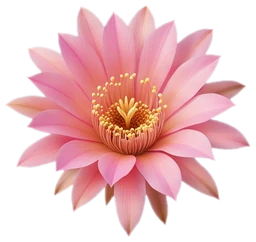
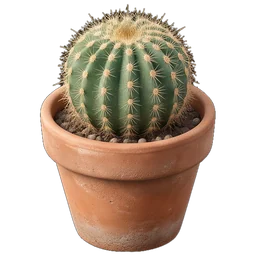
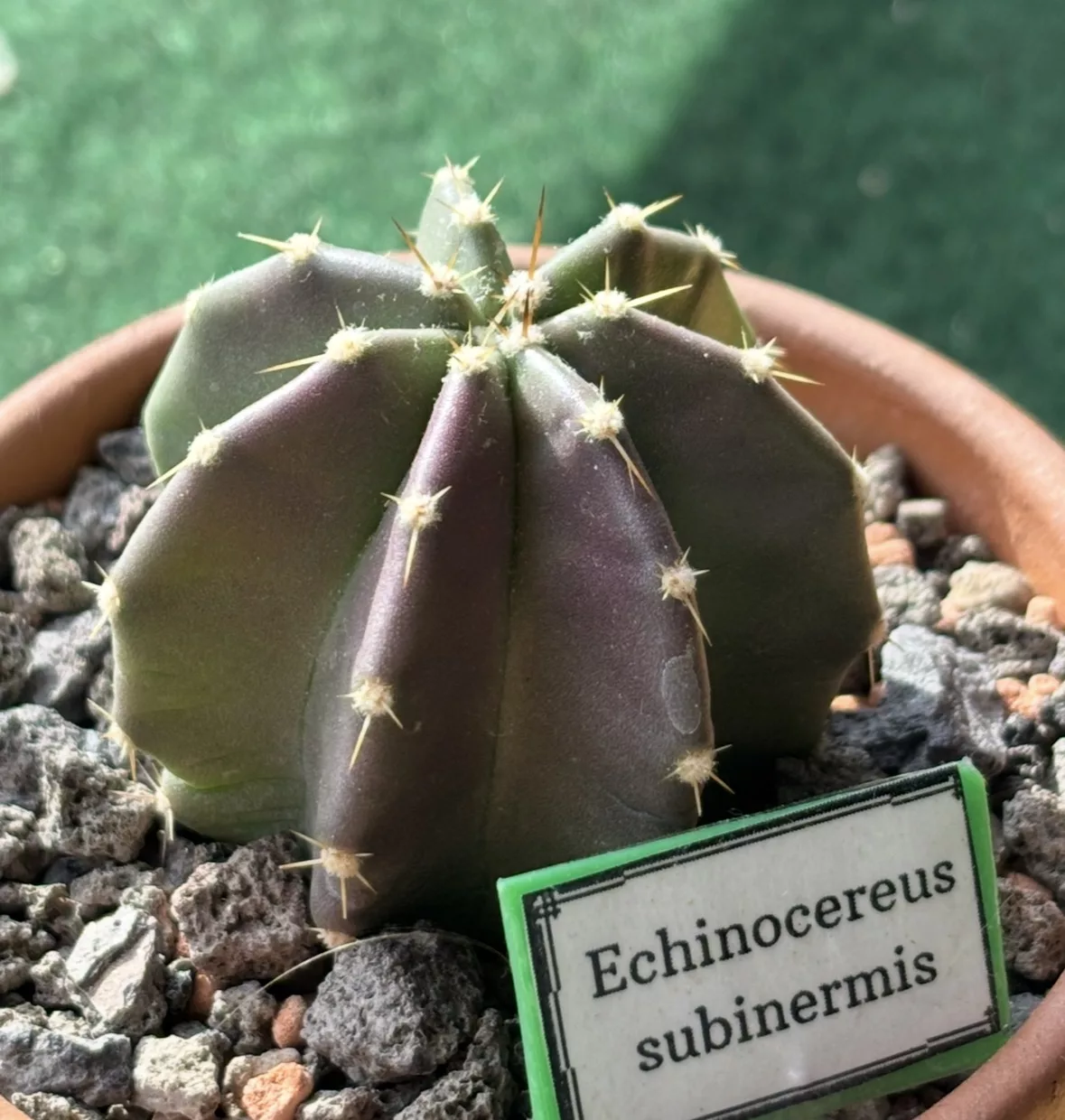
Echinocereus pulchellus is a small, slow-growing cactus with a flattened globular stem that may become somewhat elongated with age. The stem is usually bluish green to grey-green and approximately 4–10 cm in diameter. It generally grows as a solitary plant and only rarely produces offsets. Small areoles occur along the short, slightly tuberculate ribs and bear a few short, pale-yellowish to grey spines. Its large, funnel-shaped flowers are often fragrant and range from whitish and pink to purple. The flowering display is striking in relation to the plant’s small size.
En orden cronológico
Fotos de crecimiento
Herramientas mágicas
La historia de la planta
Conversación
Comentarios
Del mismo género

Iniciar sesión para comentar.