
 0

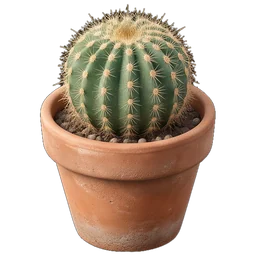
CategorieCactus

GeslachtCopiapoa
FamilieCactaceae

Natuurlijke herkomstChile, Atacama régió, a Huasco tartomány part menti sivatagi dombvidéke. A Copiapoa echinoides természetes elterjedése a Totoral-szurdok térségétől a Maitencillo-szurdok vízgyűjtőjéig húzódik. A faj a tengerpart közelében és attól akár 50 km-re a szárazföld belsejében is előfordul.

Verkregen vanhttps://cactusagroideas.com

In de collectie sinds17 jul 2026
Staat inBalkon

Natuurlijke habitatA partvidéki köd által befolyásolt sivatagi kanyonok északi kitettségű, sziklás lejtői, a tengerparti hegyvonulat nyugati oldalán. A faj gyakran köderdő- és ködoázis-jellegű élőhelyeken fordul elő, a tengerszint közelétől a part menti dombvidék alacsonyabb magaslataiig. Az élőhelyre a szélsőséges szárazság, az ásványi talaj és a tengeri köd időszakos nedvessége jellemző.
Over de soort
Copiapoa aff. echinoides
Algemene gegevens voor het geslacht Copiapoa – er zijn nog geen aparte gegevens voor deze niet precies gedetermineerde plant.
Verzorgingsoverzicht
Copiapoa aff. echinoides
 Water gevenweiniggeneral genus dataLichtvolle zongeneral genus dataLuchtvochtigheidweiniggeneral genus dataMin. temperatuur8 °Cgeneral genus data
Droge winterrust · general genus dataMoeilijkheid: ●●●○○ · general genus data✓ Niet bekend als giftig · general genus data
No monthly schedule is shown because cultivar-/species-level data is not yet sufficient. The general values above are guidance only.
 Copiapoa-tip: Extremely slow with sensitive roots – err on the side of too little water.
⚠ Huisdieren & kinderen · geslacht Copiapoa
✓Niet bekend als giftig 🐱 🐶 🧒details →
In de woorden van de kweker
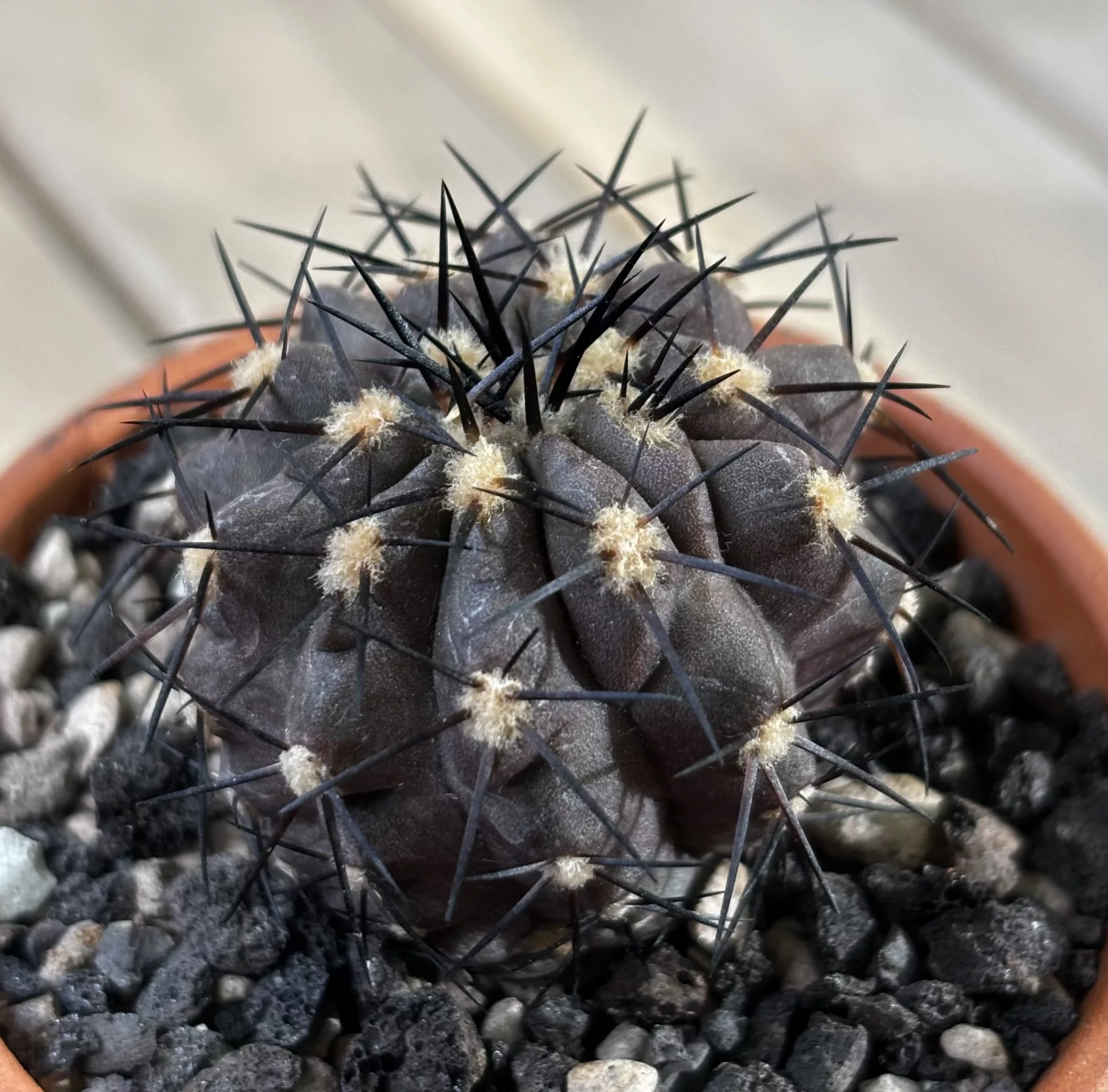
Copiapoa echinoides is a slow-growing cactus with compact, globular to slightly flattened stems. It grows as a solitary plant or forms clusters of several heads. The stems are usually 7–18 cm in diameter, with green skin that may turn coppery under intense sunlight. The flattened apex is covered with wool. There are typically 11–17 ribs, and the areoles have yellowish felt that turns grey with age. Young spines are brown to black, with usually 6–10 radial spines and 0–3 central spines. Its fragrant flowers are approximately 3.5–4 cm long and emerge from the wool at the apex. The species is endemic to Chile's Atacama Region.
In chronologische volgorde
Groeifoto’s
Magische tools
Het verhaal van de plant
Gesprek
Inloggen om te reageren.