 0

CatégorieCactus

GenreSulcorebutia
FamilleCactaceae

Origine naturelleBolívia, Cochabamba megye, az Aiquile és Mizque közötti útszakasz. Heinz Swoboda 1982-ben fedezte fel és gyűjtötte be a fajt ezen a területen. A WK 681 gyűjtési szám a növényhez kapcsolódó gyűjtői azonosító.
Obtenue auprès deEbay (botanicactus2019_1)
Dans la collection depuis9 juil. 2026
Emplacementbalkon
Habitat naturelBolívia cochabambai hegyvidékének sziklás élőhelyei. A rokon állományok köves lejtőkön, sziklás magaslatokon és helyenként mohás, cserjékkel borított területeken is előfordulnak. A fajcsoportot körülbelül 2300–2600 méteres tengerszint feletti magasságból dokumentálták.
À propos de l’espèce
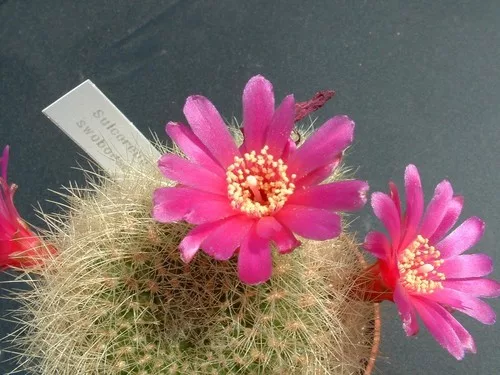
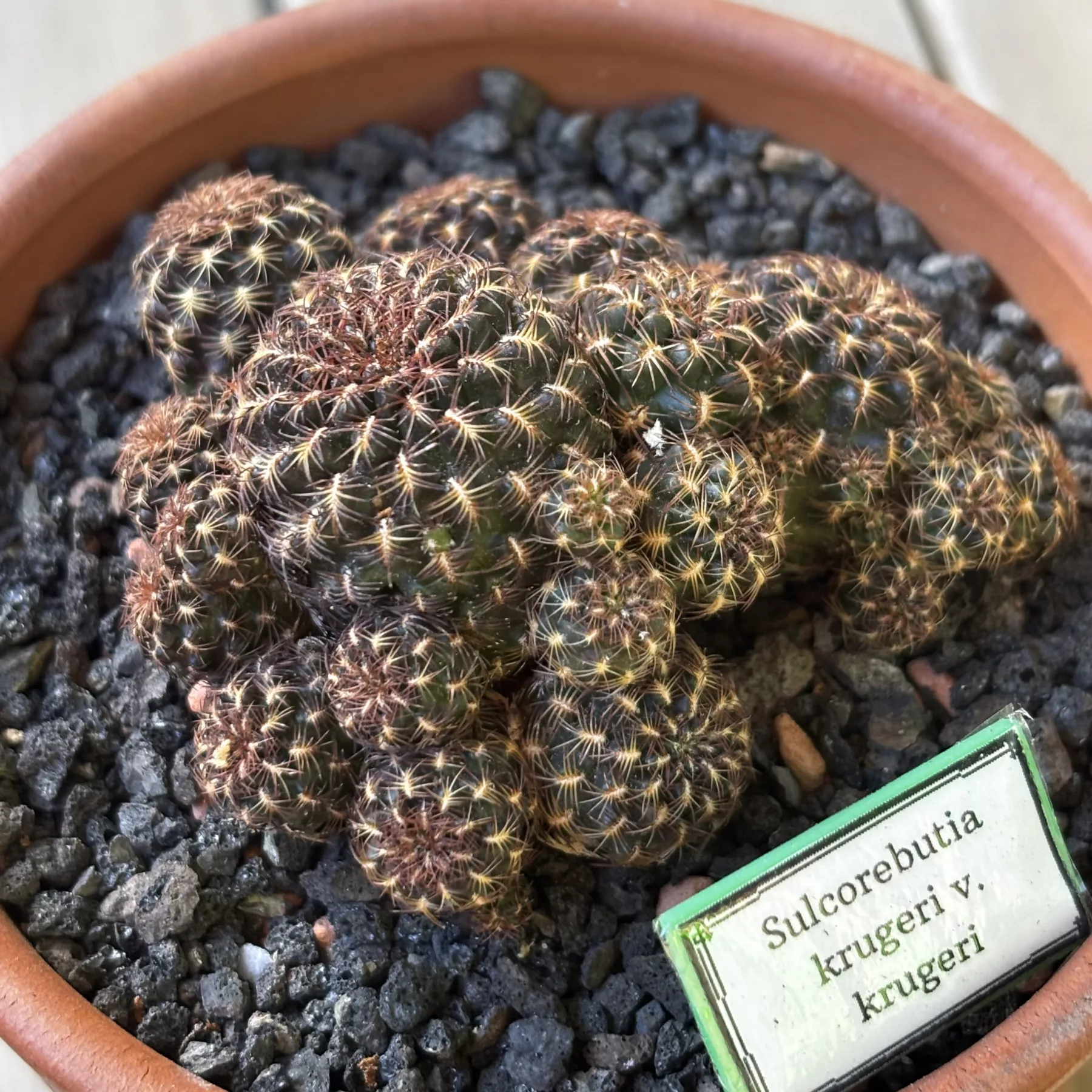
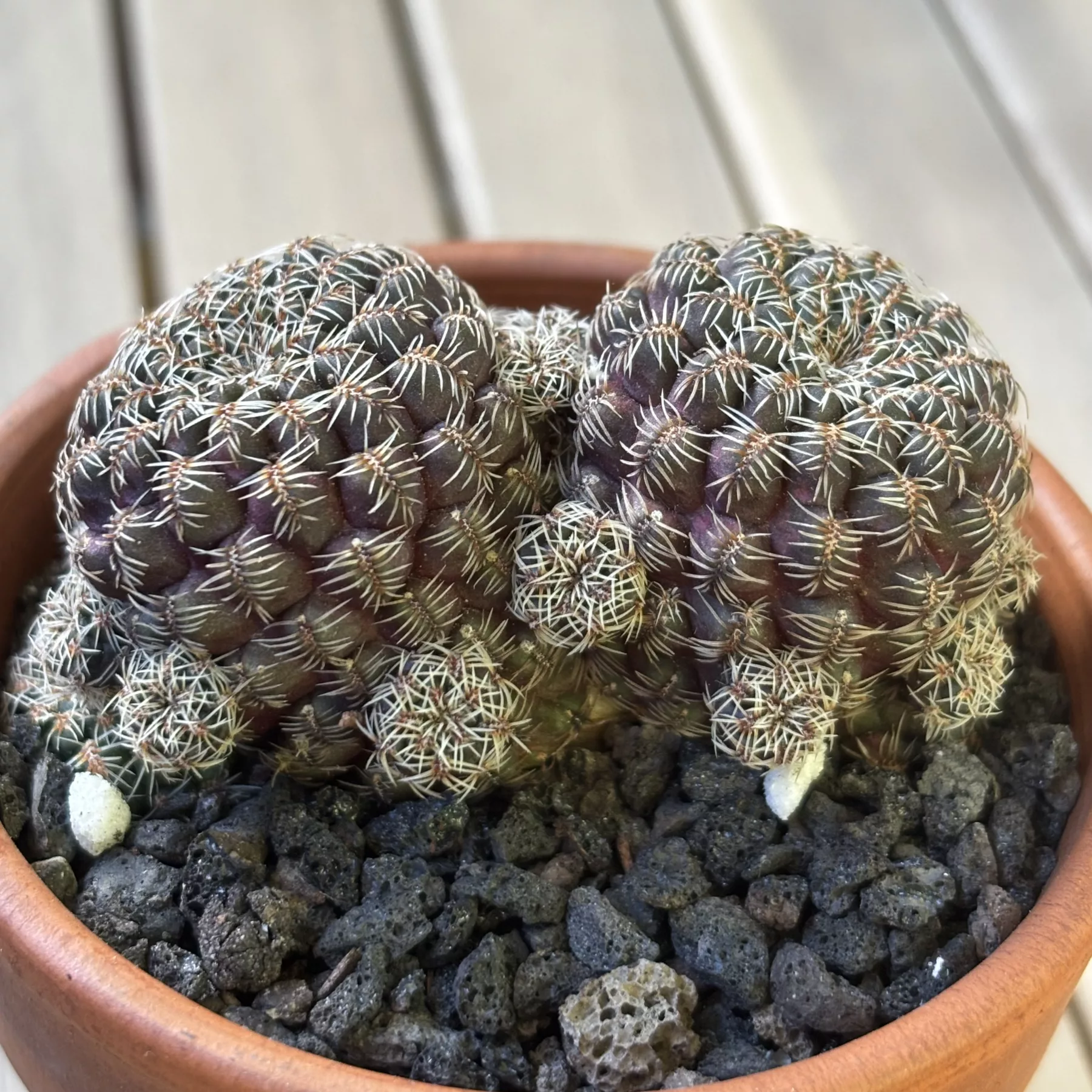
Sulcorebutia swobodae WK 681 K.Augustin
- Aire de répartition naturelle
- Bolivie (Cochabamba, Aiquile), Bolivie
Résumé d’entretien
Sulcorebutia swobodae WK 681
 Eaufaiblegeneral genus dataLumièreplein soleilgeneral genus dataHumiditéfaiblegeneral genus dataTemp. minimale2 °Cgeneral genus data
Repos hivernal au sec · general genus dataDifficulté: ●●○○○ · general genus data✓ Non connue comme toxique · general genus data
No monthly schedule is shown because cultivar-/species-level data is not yet sufficient. The general values above are guidance only.
 Conseil de Sulcorebutia : Its thick taproot wants a deep pot and a purely mineral substrate.
⚠ Animaux et enfants · genre Sulcorebutia
✓Non connue comme toxique 🐱 🐶 🧒détails →
Selon son cultivateur
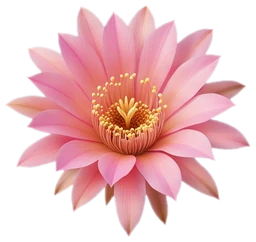
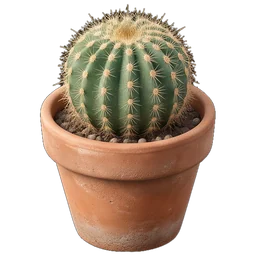
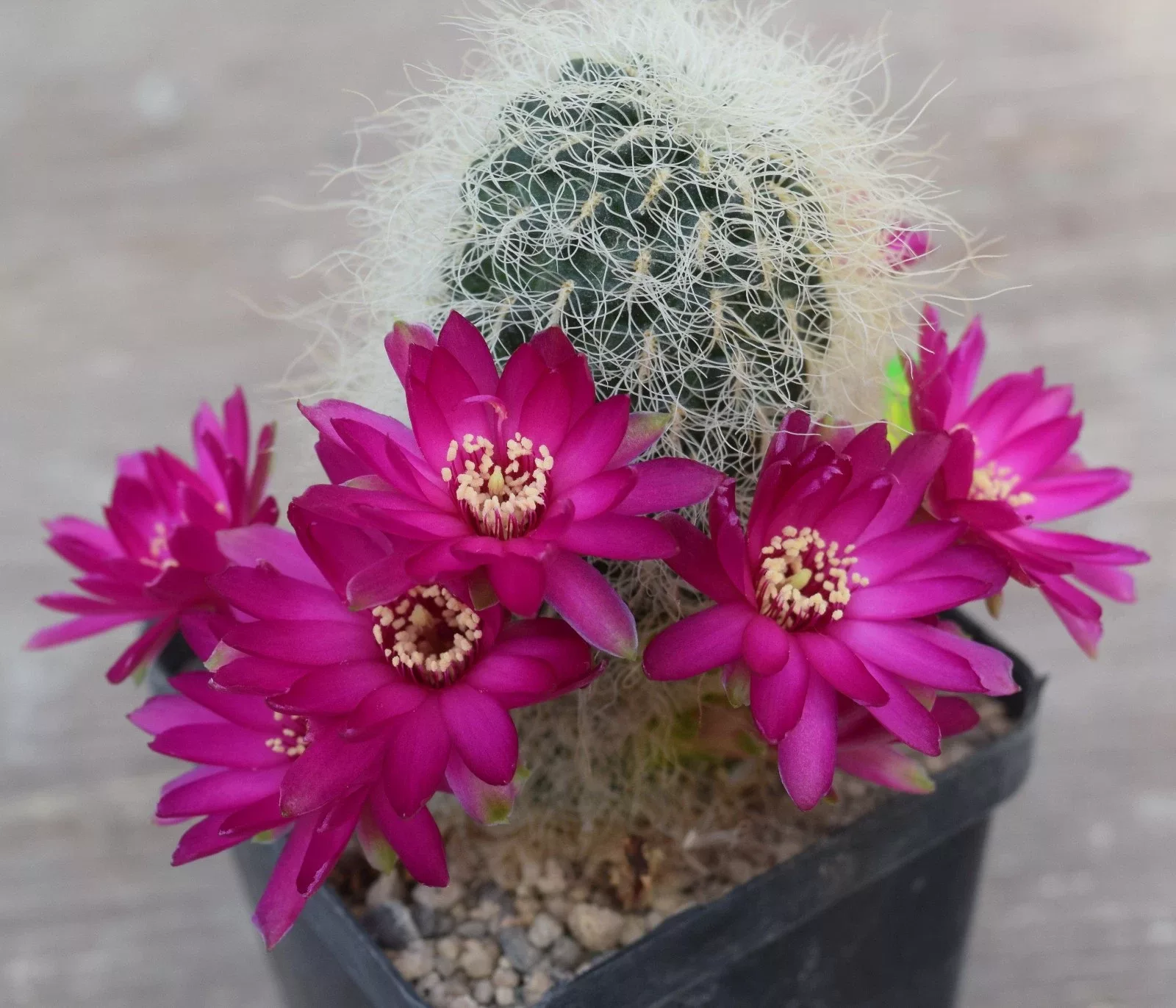
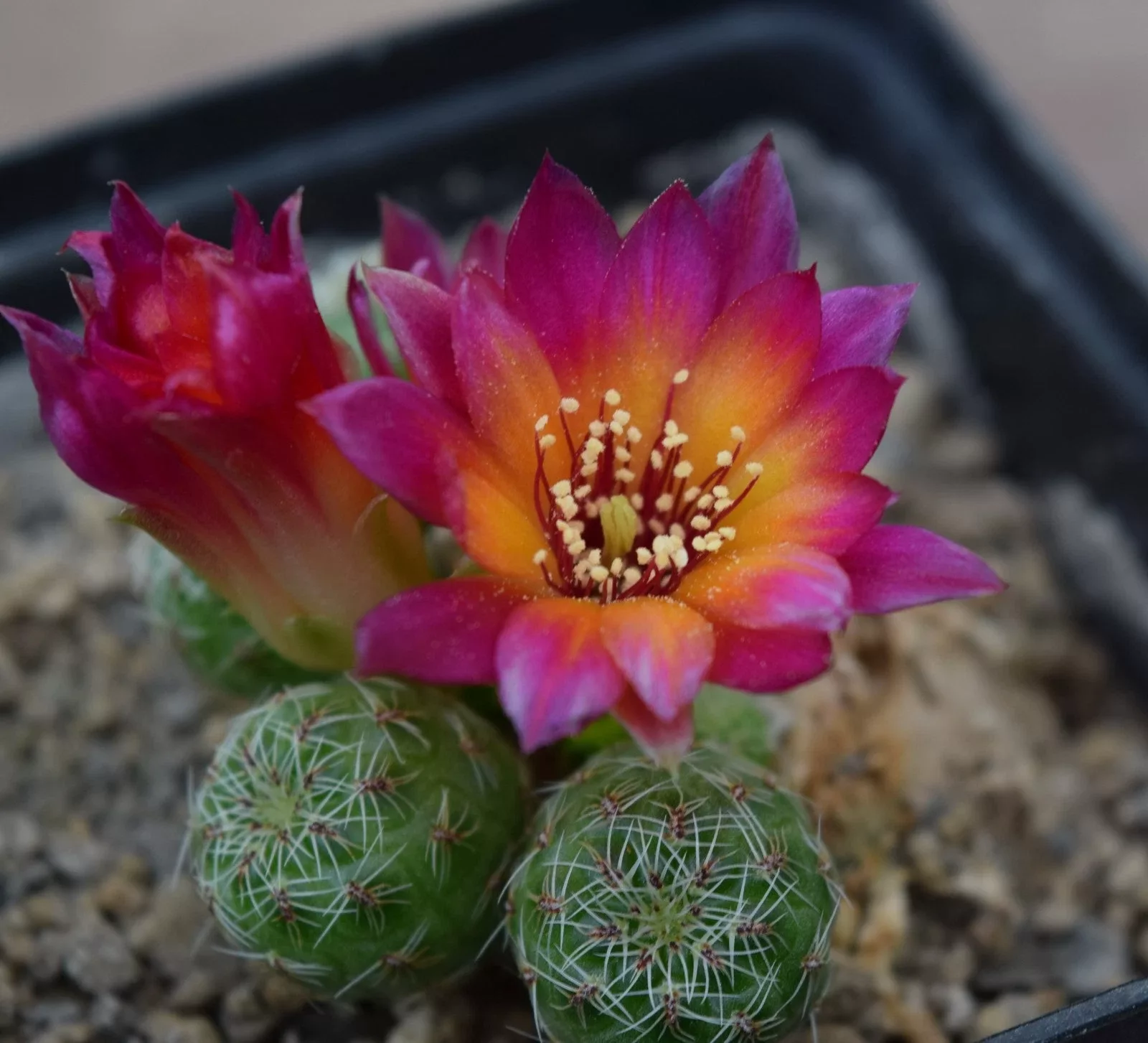
Sulcorebutia swobodae is a small cactus native to the mountainous regions of Bolivia’s Cochabamba Department. Its flattened globular stem ranges from light to dark green and may produce offsets as it matures. The plant is characterised by dense, soft, bristle-like spines that may be yellow, whitish, reddish brown or dark. Its flowers range from pink to purplish magenta and appear in spring near the lower part of the stem. Its long, taproot-like root system requires a loose, highly free-draining substrate. Field number WK 681 is associated with a documented Bolivian locality near Salancachi on the road between Aiquile and Santiago, at approximately 2,450 metres above sea level.
Par ordre chronologique
Photos de croissance
Outils magiques
L’histoire de la plante
Conversation
Commentaires
Du même genre
Se connecter pour commenter.